

Introduction
Coconut oil has earned its place as one of the most versatile and effective natural ingredients in skincare. Known for its rich, nourishing properties, coconut oil for skin offers an array of benefits that cater to various skin types and concerns. From skin hydration coconut oil solutions to combating dryness and enhancing glow, this ingredient has become a staple in beauty routines worldwide.
In a world increasingly drawn to organic coconut oil skin remedies, coconut oil stands out for its simplicity and effectiveness. Packed with medium-chain fatty acids, antioxidants, and vitamins, it provides a holistic approach to skincare without the need for harsh chemicals. Whether it’s being used as a coconut oil moisturizer, a treatment for acne, or to create a glowing complexion, the applications are endless.
What is Coconut Oil?
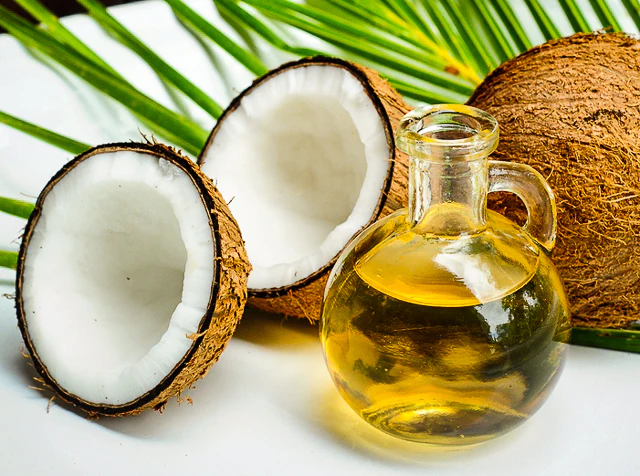
Coconut oil is a natural oil extracted from the meat of mature coconuts. Its rich composition of fatty acids, antioxidants, and vitamins makes it a highly sought-after ingredient in skincare. However, not all coconut oils are created equal, and understanding the different types is key to unlocking the full potential of coconut oil benefits for your skin.
Types of Coconut Oil
- Organic Coconut Oil Skin:
- Organic coconut oil skin products are free from harmful chemicals and pesticides, making them ideal for those seeking natural and safe skincare solutions. They provide the purest form of coconut oil, which is gentle on the skin and packed with nutrients for hydration and protection.
- Cold-Pressed Coconut Oil:
- Why use cold-pressed coconut oil for skin? This type of coconut oil is extracted without heat, preserving its essential nutrients and antioxidants. It’s a favorite among skincare enthusiasts for its ability to retain the oil’s natural properties, making it perfect for sensitive skin and everyday hydration.
- Virgin Coconut Oil:
- Virgin coconut oil benefits for skin are superior because it undergoes minimal processing. It is unrefined and retains its natural compounds like lauric acid, which has antimicrobial properties. This makes virgin coconut oil highly effective for treating acne, soothing irritation, and maintaining the skin’s natural elasticity.
Benefits of Using the Best Coconut Oil Skin Products
Using the best coconut oil skin products ensures maximum effectiveness in addressing various skin concerns. High-quality coconut oil can:

- Provide deep hydration, making it a go-to coconut oil moisturizer for dry skin.
- Enhance skin’s natural glow, supporting how to use coconut oil for glowing skin routines.
- Promote healing for cracked skin, scars, and other skin imperfections.
By choosing organic, virgin, or cold-pressed coconut oil, you’re investing in a skincare product that not only hydrates but also protects and repairs your skin. Whether you’re aiming for coconut oil for skin brightening, reducing acne scars, or achieving skin hydration coconut oil, selecting the right type of coconut oil is crucial to experiencing its full range of benefits.
Why Virgin Coconut Oil Stands Out
When it comes to superior skincare, virgin coconut oil benefits for skin stand out due to its purity and effectiveness. Its gentle formulation is suitable for all skin types, providing the ultimate nourishment while addressing specific skin concerns. Whether you need a coconut oil for face solution or a product that enhances overall skin health, virgin coconut oil is an unbeatable choice.
Practical Ways to Use Coconut Oil for Skin
Daily Skincare
Best way to apply coconut oil for soft skin:
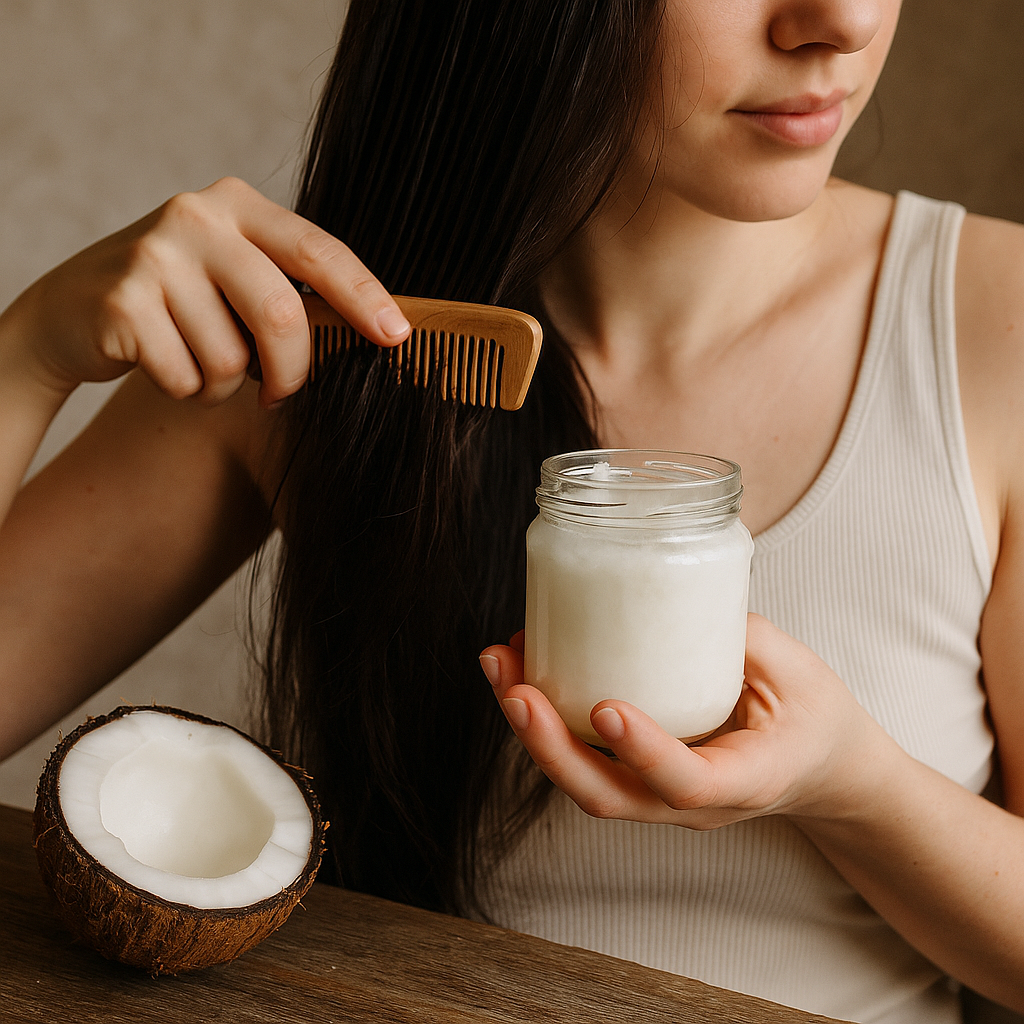
To achieve soft, hydrated skin, take a small amount of coconut oil for skin and gently massage it into your skin after a shower when your skin is slightly damp. This helps lock in moisture and leaves your skin feeling smooth and nourished.
How to remove makeup using coconut oil effectively:
Using coconut oil as a makeup remover is a simple yet effective method. Warm a small amount of oil between your palms and gently massage it onto your face to dissolve makeup. Wipe off the oil with a warm, damp cloth for clean, hydrated skin.
Benefits of applying coconut oil before bed:
Applying coconut oil before bed allows your skin to soak up its nutrients overnight. It works as a natural coconut oil moisturizer that repairs and rejuvenates your skin while you sleep, ensuring you wake up with a glowing and hydrated complexion.
DIY Skincare Recipes
Homemade coconut oil face masks for hydration:
Create a DIY mask by mixing coconut oil with aloe vera gel for deep hydration. This combination provides natural ways to hydrate skin with coconut oil and soothes dryness effectively.
Coconut oil and sugar scrub benefits for exfoliation:
A coconut oil and sugar scrub is a great way to remove dead skin cells and boost skin radiance. Mix equal parts of sugar and coconut oil, then gently exfoliate your skin in circular motions for a smooth, glowing finish.
DIY coconut oil and turmeric face pack for pigmentation treatment:
For tackling pigmentation, mix coconut oil with a pinch of turmeric and apply the paste to affected areas. This DIY coconut oil and turmeric face pack brightens the skin and helps reduce dark spots over time.
Targeted Treatments
Coconut oil for dark spots and underarm whitening:
Use coconut oil for dark spots by massaging a few drops onto the affected areas daily. It helps lighten pigmentation and even out skin tone. For underarm whitening, mix coconut oil with lemon juice and apply it for 10–15 minutes before rinsing.
Use of coconut oil for flaky skin relief and cracked heels:
For flaky skin relief, apply a layer of coconut oil moisturizer to hydrate and repair dryness. To treat cracked heels, massage a generous amount of coconut oil for cracked heels repair and cover them with socks overnight for soft, healed skin.
Combating redness with coconut oil and honey for skin benefits:
Blend coconut oil and honey to create a soothing mask for redness and irritation. This combination works wonders for calming inflamed skin and restoring its natural balance, making it ideal for sensitive skin types.
Choosing the Best Coconut Oil for Your Skin
Choosing the right coconut oil for skin is essential to maximize its benefits. With so many options available, it’s important to understand the differences and choose the type that suits your skincare needs.
Why Use Cold-Pressed Coconut Oil for Skin?
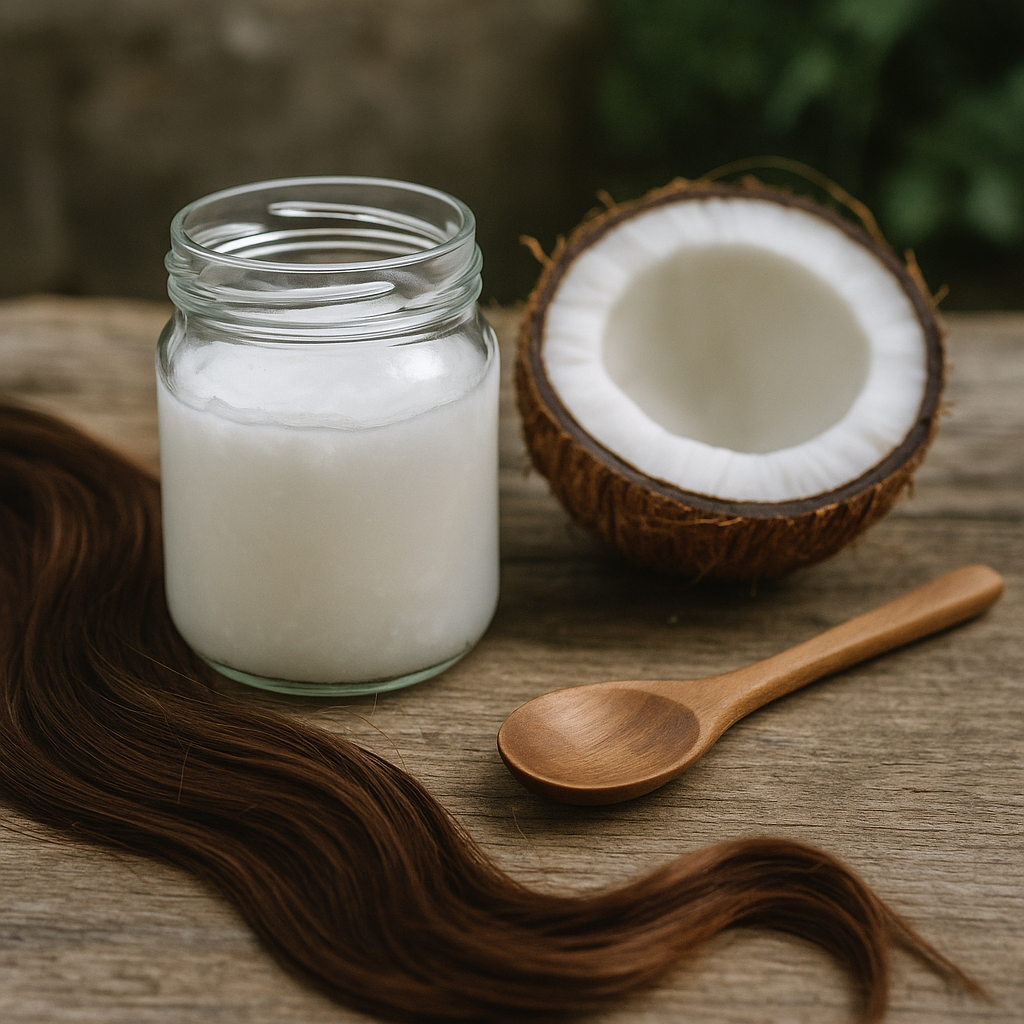
Cold-pressed coconut oil is extracted without using heat, preserving its natural nutrients and beneficial compounds like antioxidants and fatty acids. This makes it a superior choice for skincare, as it retains its purity and effectiveness.
Using cold-pressed coconut oil for skin ensures deep hydration, reduces the risk of irritation, and provides all the nourishing properties coconut oil is known for. It’s especially effective for sensitive and dry skin, helping to lock in moisture and repair damaged skin barriers.
Comparing Best Coconut Oil Brands for Skincare
Not all coconut oil brands are created equal, so finding the best coconut oil skin products is crucial. Look for trusted brands that provide:
- Organic coconut oil skin products that are free from chemicals and additives.
- Certification for virgin or cold-pressed processes to ensure quality.
- Transparent labeling that mentions no artificial fragrances or preservatives.
When selecting the best coconut oil brands for skincare, prioritize products with a high content of medium-chain fatty acids (MCFAs) and lauric acid for optimal results.
Tips on How to Choose the Right Coconut Oil for Skin
To pick the perfect coconut oil for your skincare needs, consider the following:
- Look for Virgin Coconut Oil:
- Virgin coconut oil undergoes minimal processing and retains its natural properties. It’s an excellent option for coconut oil for glowing skin tips and daily hydration.
- Opt for Organic and Chemical-Free:
- Organic coconut oil skin ensures that no harmful chemicals or pesticides are present, making it safe for regular use on all skin types.
- Choose Cold-Pressed Over Refined:
- Refined coconut oil may lose its beneficial properties during processing, whereas cold-pressed coconut oil for skin maintains its full nutritional value.
- Test for Quality and Consistency:
- High-quality coconut oil should have a light, pleasant coconut aroma and a smooth, creamy texture when solid.
By focusing on these factors, you can confidently choose the best coconut oil for skin, ensuring that your skincare routine is natural, effective, and tailored to your needs.
Pros and Cons of Using Coconut Oil

Benefits of Coconut Oil for Skin
Coconut oil has been a trusted natural remedy for centuries, and its wide-ranging coconut oil benefits make it a staple in skincare routines.
1. Coconut Oil for Daily Skin Nourishment:
Rich in fatty acids, coconut oil provides intense hydration and keeps your skin nourished throughout the day. Its ability to lock in moisture makes it perfect for addressing dry skin concerns, ensuring a soft, smooth texture.
2. Natural Skin Healing:
The antimicrobial and anti-inflammatory properties of coconut oil help with natural skin healing, making it an excellent choice for soothing minor cuts, burns, and irritation. Its ability to promote collagen production also aids in reducing scars and improving overall skin texture.
Concerns About Using Coconut Oil for Skin
While coconut oil offers numerous benefits, there are a few concerns that users with certain skin types should consider:

1. Is Coconut Oil Good for Sensitive Skin or Acne-Prone Skin?
Coconut oil is gentle and soothing, making it suitable for many people with sensitive skin. However, those with acne-prone skin should proceed with caution. Coconut oil is comedogenic, meaning it can clog pores and potentially worsen acne in some individuals. Using a light layer and avoiding over-application is key for acne-prone or oily skin types.
2. Can Coconut Oil Unclog Pores Effectively?
While coconut oil can remove impurities and makeup, it might not always be the best option for unclogging pores. Its thick consistency may trap dirt or oil in already clogged pores, leading to breakouts. Instead, use it as part of a double-cleansing routine, followed by a gentle water-based cleanser to avoid buildup.
Safe Usage Tips for Coconut Oil
To enjoy the benefits of coconut oil while minimizing risks, follow these tips:
- Always Patch-Test:
- Before applying coconut oil to your face or sensitive areas, do a patch test on your inner arm. This ensures you won’t have an adverse reaction.
- Use High-Quality Coconut Oil:
- Opt for organic coconut oil skin or virgin coconut oil benefits for skin for maximum purity and effectiveness. These types are less likely to irritate sensitive skin.
- Avoid Overuse:
- For those with acne-prone skin, use coconut oil sparingly and avoid applying it to areas prone to breakouts.
- Combine with Other Ingredients:
- Mix coconut oil with non-comedogenic oils or soothing ingredients like aloe vera to enhance hydration without clogging pores.
By understanding its strengths and limitations, you can make the most of coconut oil for daily skin nourishment while tailoring its use to suit your skin type and concerns.
Coconut Oil for Special Skin Needs
Coconut oil is a versatile remedy that caters to specific skin conditions and special care requirements. Its natural properties make it effective for soothing irritation, protecting delicate skin, and offering seasonal relief.
Coconut Oil for Psoriasis Relief and Eczema Treatment

One of the most notable coconut oil benefits is its ability to manage chronic skin conditions like psoriasis and eczema. The anti-inflammatory and antimicrobial properties of coconut oil make it a natural choice for soothing inflamed, itchy skin.
For coconut oil for psoriasis relief, gently massage virgin or cold-pressed coconut oil onto the affected areas to reduce redness and scaling. Its ability to lock in moisture also helps alleviate dryness, a common symptom of psoriasis.
When it comes to coconut oil for eczema treatment, its rich fatty acids form a protective barrier that prevents further irritation while hydrating dry patches. Regular application can significantly improve the texture and comfort of eczema-prone skin.
Addressing Baby Skincare: Coconut Oil for Baby Diaper Rash and Sensitive Areas
Delicate baby skin requires gentle care, and coconut oil for baby diaper rash is a safe, natural solution. Its antibacterial and antifungal properties help prevent infections, while its moisturizing qualities soothe irritated skin.
Apply a thin layer of coconut oil to the diaper area to create a barrier that protects against moisture and reduces the risk of rashes. It’s also perfect for other sensitive areas of baby skin, offering nourishment without causing harm.
For parents seeking a chemical-free remedy, organic coconut oil skin products are ideal for ensuring safety and effectiveness in baby skincare routines.
#CoconutOil #SkinBenefits #NaturalGlow #HealthySkin #GlowingSkin #SkinCareTips #HydratedSkin #NaturalRemedies #CoconutOilForSkin #BeautyCare





Leave a Reply