

This article reviews 10 delicious herbs and spices from around the world and explains how they might benefit your health. Each benefit is backed by research.
1. Cinnamon
Cinnamon is a popular spice used in all sorts of recipes and baked goods. It’s rich in antioxidants and other beneficial compounds. A compound called cinnamaldehyde is responsible for most of cinnamon’s medicinal properties.

Research suggests that cinnamon may help protect against heart disease and reduce inflammation. Its potent antioxidant activityTrusted Source helps fight inflammation and has been shown to lower cholesterol and triglyceridesTrusted Source in the blood.
A 2020 studyTrusted Source found that cinnamon can significantly increase antioxidant levels in the blood while reducing levels of markers, such as C-reactive protein, used to measure inflammation.
An older 2015 studyTrusted Source confirmed cinnamon’s strong anti-inflammatory properties and suggested it might potentially be useful in the treatment of age-related inflammatory conditions.
2. sage
Sage gets its name from the Latin word Salvere, which means “to save.”
It had a strong reputation for its healing properties during the Middle Ages and was even used to help prevent the plague.
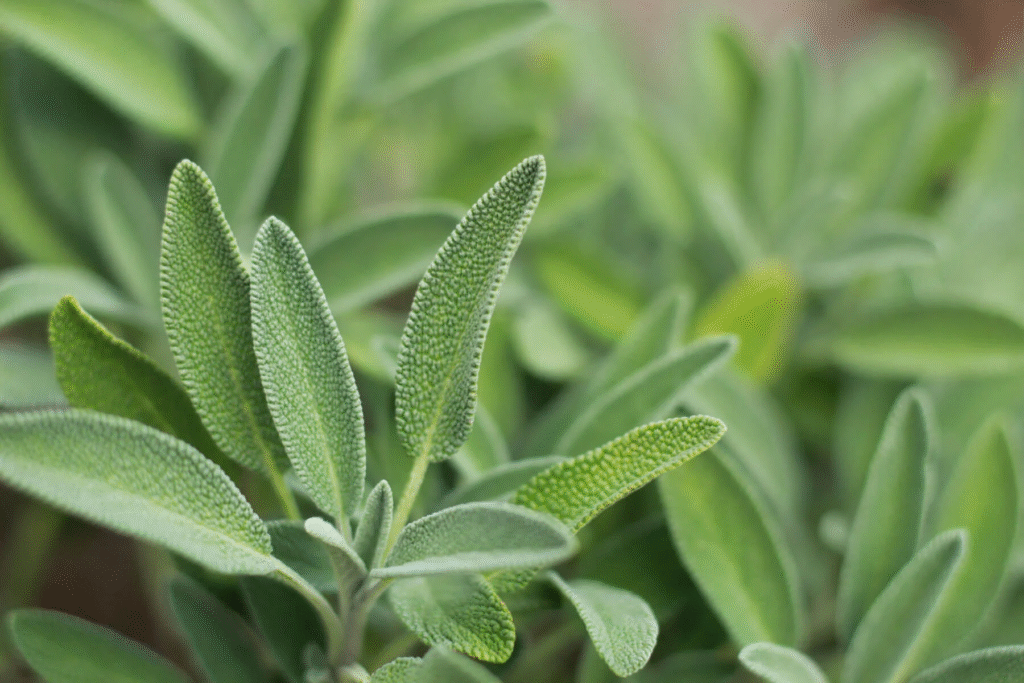
Preliminary research indicates that sage may be able to improve brain function and memory, especially in healthy people of all ages as well as people with Alzheimer’s disease. However, more research needs to be conducted.
Alzheimer’s disease is accompanied by a drop in the level of acetylcholine, a chemical messenger in the brain. Sage inhibits the breakdown of acetylcholine. However, researchers note that more research into this area is warranted.
3. Peppermint
Peppermint has a long history of use in folk medicine and aromatherapy. As with many herbs, its essential oil contains the agents responsible for its health effects.

A 2024 studyTrusted Source found that peppermint oil can improve pain management in irritable bowel syndrome (IBS). A 2022 studyTrusted Source also found that peppermint oil was superior to placebo for the treatment of IBS. However, researchers felt that more research in this area was needed.
It appears to work by relaxing the smooth muscles in the colon, which relieves pain experienced during bowel movements. It also helps to reduce abdominal bloating, which is a common digestive symptom.
There are also some studies showing that peppermint in aromatherapy can help fight nausea.
4. Turmeric and curcumin
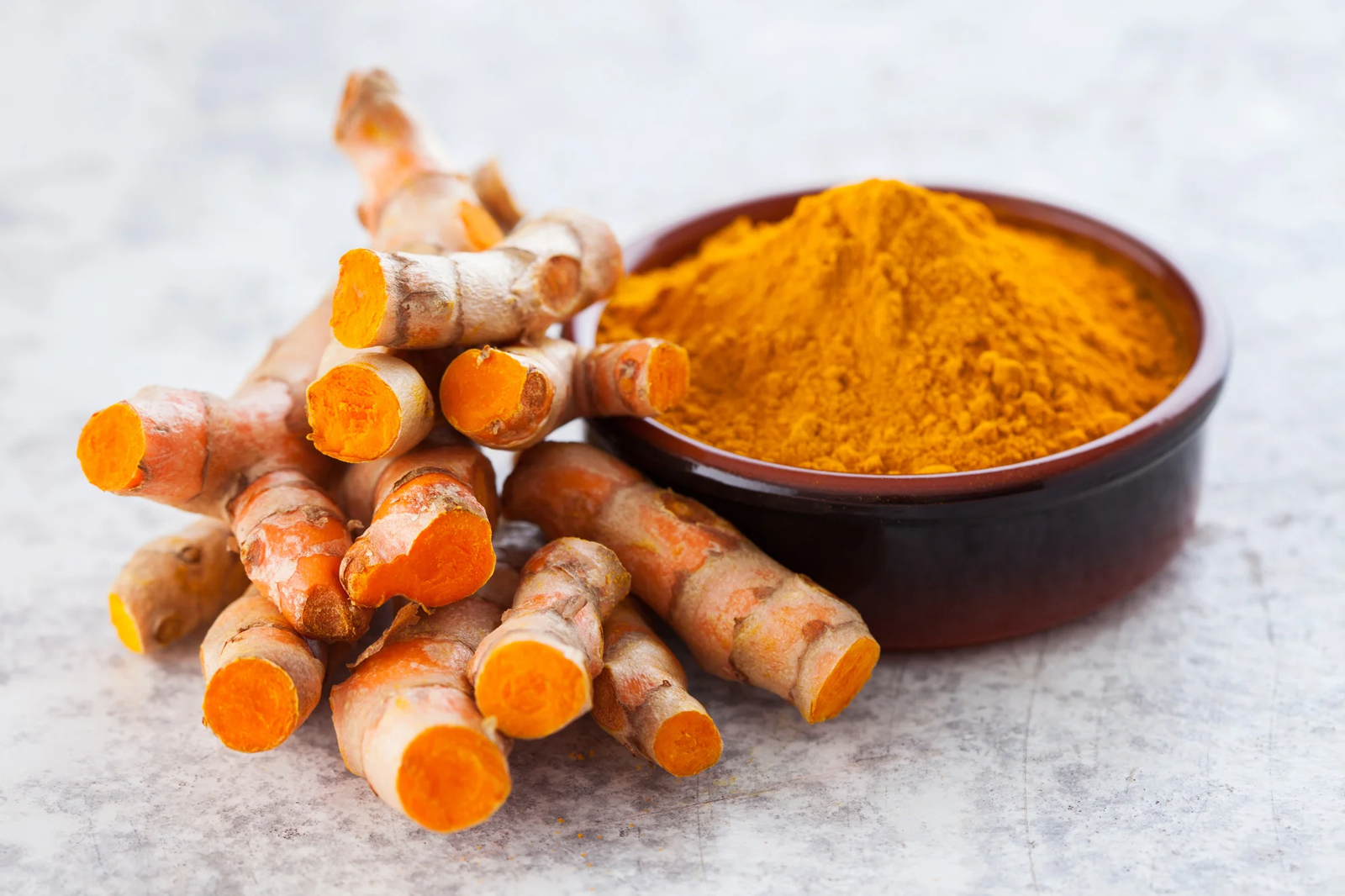
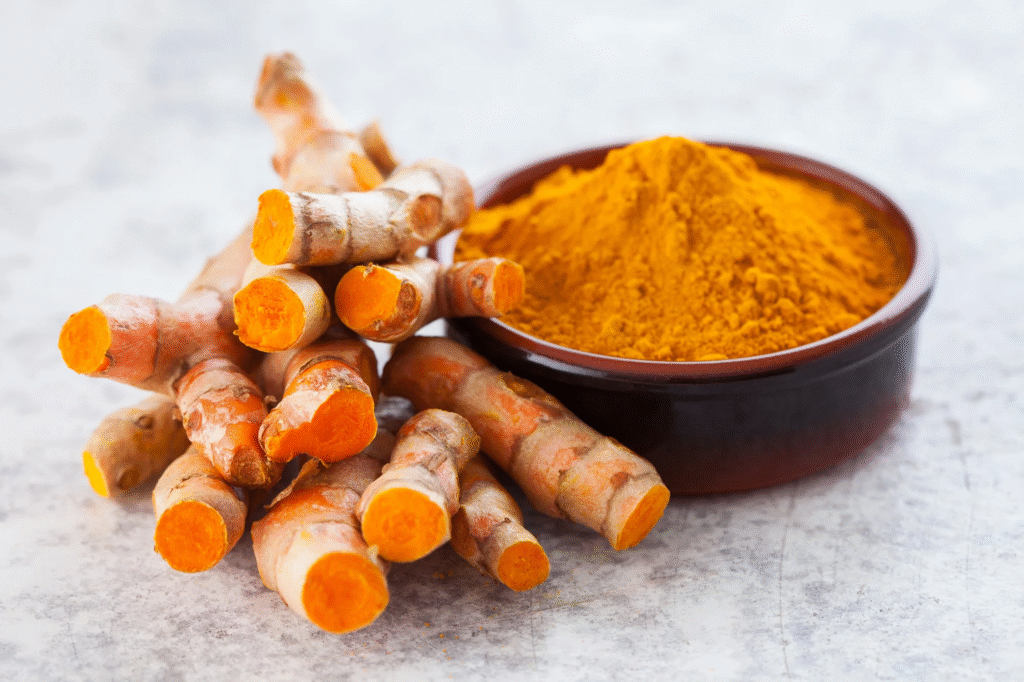
Turmeric is the spice that gives curry its yellow color.
It contains several compounds with medicinal properties, the most important of which is curcumin.
Curcumin is a remarkably powerful antioxidantTrusted Source, helping to fight oxidative damage and boosting the body’s own antioxidant enzymes.
This is important because oxidative damage is believed to be one of the key mechanisms behind aging and many diseases.
Curcumin is also strongly anti-inflammatory, to the point where it could potentially match the effectiveness of some anti-inflammatory drugs.
Given that long-term, low level inflammation plays a major role in almost every chronic Western disease, it’s not surprising to see that curcumin is linked to a variety of health benefits.
5. Holy basil
In India, holy basil is considered a sacred herb and should not be confused with regular basil or Thai basil.
A 2024 study found that eugenol, a compound found in holy basil essential oil, might be helpful in treating hypertension. In this study, researchers also found that holy basil essential oils and phytochemical compounds provided antimicrobial activity against a wide range of Gram-negative and Gram-positive bacteria, yeast, and mold.

Another 2024 study found that holy basil extracts may help:
- strengthen the body’s antioxidant defenses and immune response
- lower blood sugars and LDL cholesterol
- reduce inflammation
- improve blood pressure
6. Cayenne pepper
Cayenne pepper is a type of chili pepper used to prepare spicy dishes.
The active ingredient in it is called capsaicin, which has been shown to reduce appetite and increase fat burning in many studies.
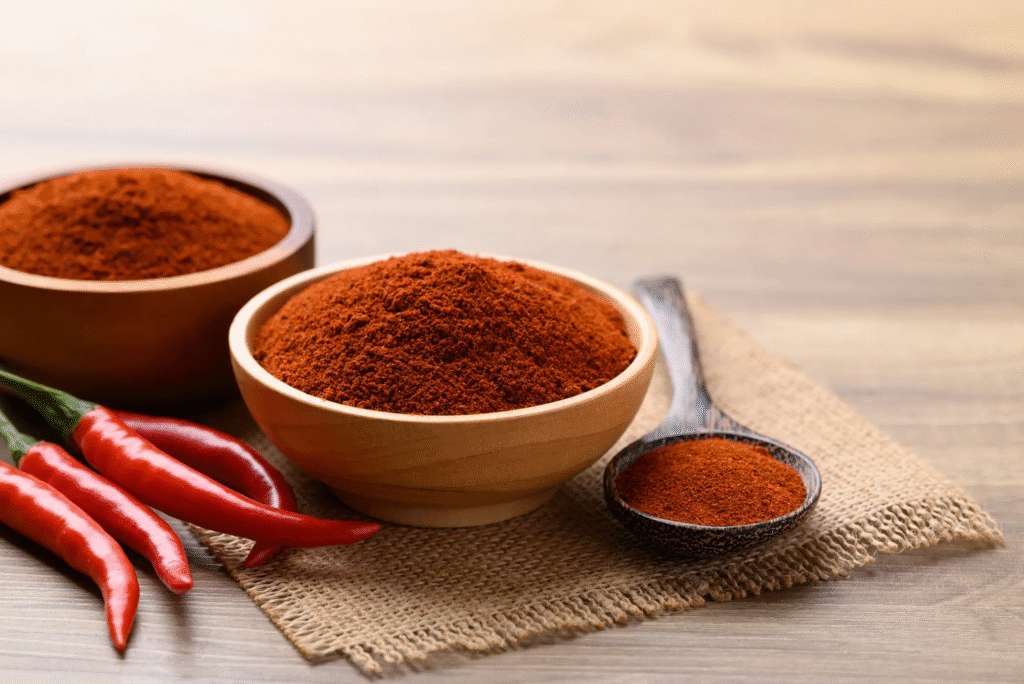
For this reason, it’s a common ingredient in many commercial weight loss supplements.
A 2022 review of studies also found that capsaicin may protect against certain forms of cancer. However, more research is needed to understand how to harness capsaicin’s anticancer potential.
7. Ginger
Ginger is a popular spice used in several forms of alternative medicine.
Studies have consistently shown that 1 to 1.5 grams of ginger can successfully treat nausea.
This includes nausea caused by morning sickness, chemotherapy, and sea sickness.

A 2022 study also found that ginger possesses multiple biological activities, including antioxidant and anti-inflammatory capacities. The study found that compounds in ginger show can help reduce symptoms and protect against several inflammatory diseases, including lupus, rheumatoid arthritis, and psoriasis.
A 2023 study in mice also found that the anti-inflammatory and bioactive components of ginger have a beneficial effect on osteoarthritis. But further studies on human trials are needed to confirm these benefits.
8. Fenugreek
Fenugreek has been commonly used in Ayurveda, particularly to enhance libido and masculinity.
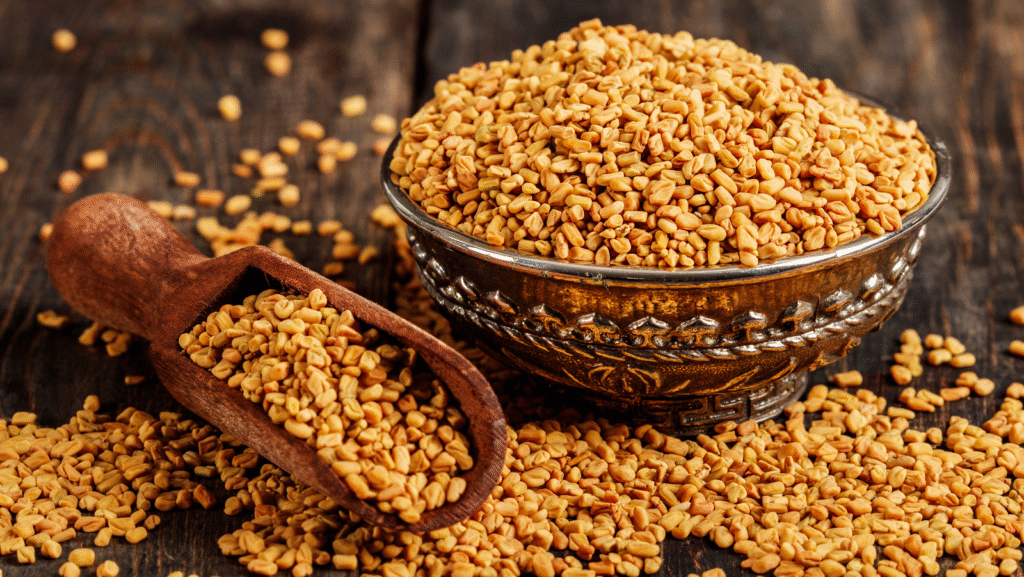
While its effects on testosterone levels are inconclusive, a 2024 study found that fenugreek does have the ability to reduce blood glucose levels by targeting various molecules, receptors, and membranes.
The study also found that fenugreek appears to reduce oxidative stress and lipoprotein levels, which contribute to its antidiabetic effects.
9. Rosemary
The active ingredient in rosemary is called rosmarinic acid. This substance has been shown to suppress allergic responses and nasal congestion.
A 2020 in vitro (test tube) study of rosmarinic acid found it to have a wide range of pharmacological effects, including:

- anti-oxidative (preventing cell damage caused by free radicals)
- anti-apoptotic (preventing cell death)
- anti-tumorigenic (preventing the growth of tumors)
- anti-inflammatory (reducing inflammation in the body)
10. Garlic
Throughout ancient history, garlic was used mainly for its medicinal properties.
We now know that most of these health effects are due to a compound called allicin, which is also responsible for garlic’s distinct smell.
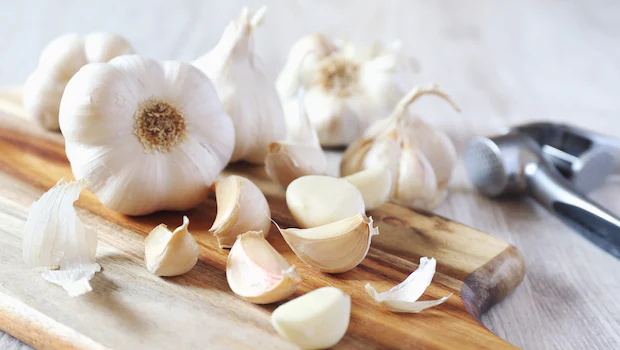
A 2014 study found that the antimicrobial and antiviral properties of garlic may help relieve the common cold. The study reported fewer occurrences of the common cold in people who took the garlic for 12 weeks compared with the placebo group.
A more recent 2020 study found that garlic and its active compounds possess significant antiviral activity and can be used to prevent viral infections.
There’s also some evidence showing that garlic may have beneficial effects on heart health. A 2016 review of studies found that garlic supplementation reduced blood pressure by 7 to 16 mm Hg (systolic) and 5 to 9 mm Hg. The most consistent benefits were shown in studies that used aged garlic extract.
#NatureTherapy #HealingWithNature #BreatheAgain #NatureHeals #MindfulLiving #EcoWellness #ReconnectWithNature #NatureLover #SelfCareJourney #MentalHealthAwareness #CalmMind #NatureVibes #OutdoorHealing #PeacefulMind #NatureIsMedicine #ForestTherapy #MindBodySoul #SustainableLiving #FindYourCalm #NatureInspired




Leave a Reply